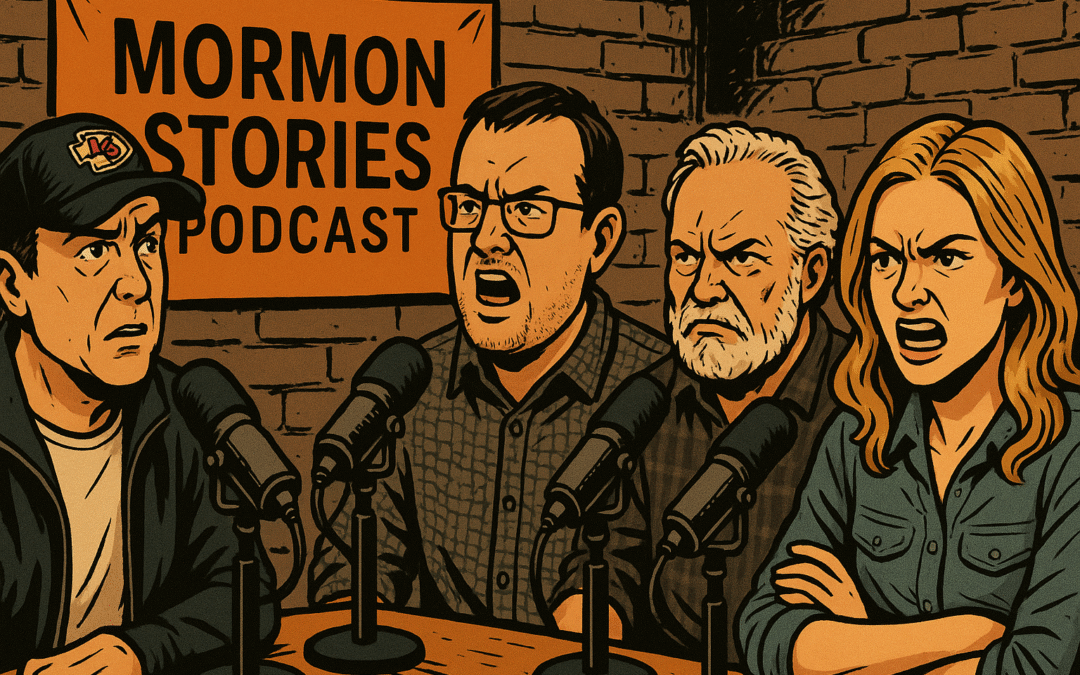
From Anecdote to Attack: The Cost of Anti‑Mormon Narratives
Part I of III
From Anecdote to Attack: The Cost of Anti‑Mormon Narratives
1) Concepts that matter: dangerous speech, dehumanization, and online incivility
Dangerous speech. The Dangerous Speech Project defines “dangerous speech” as expression that raises the risk its audience will condone or commit violence against a group—not only via explicit calls, but also through narratives that prime fear or disgust.1 The U.S. Holocaust Memorial Museum’s practical guide, Defusing Hate, applies these frameworks to reduce risk while protecting free expression.2
Dehumanization. Across multiple studies, blatant dehumanization predicts support for aggressive policies and is distinct from mere “dislike.”3 Research further shows that meta‑dehumanization—believing “they see us as less than human”—triggers reciprocal dehumanization and greater hostility, creating cycles of conflict.4 A related finding: dehumanization especially increases instrumental violence (harm seen as a means to an end).5
Incivility online. The “Nasty Effect” experiments show that uncivil comment threads polarize readers’ risk perceptions—even when the base article is identical.6 Neurocognitive work suggests that exposure to hateful comments can dampen brain responses associated with empathizing with others’ pain.7
Key takeaways:
- Repeated exposure to dehumanizing or hateful language reduces empathy and heightens out‑group hostility.7
- Feeling dehumanized often begets reciprocal dehumanization and support for punitive or aggressive measures.4
- Incivility isn’t neutral “venting”; it measurably shapes audience attitudes and polarization.6
2) Anti‑LDS hostility in public life is real—not theoretical
Sports arenas. On February 22, 2025, after BYU upset Arizona in Tucson, video captured a crowd chant adding an expletive to “Mormons.” The University of Arizona publicly apologized the next day, acknowledging the derogatory chant aimed at BYU, the flagship school of the Church of Jesus Christ of Latter‑day Saints.8
Vandalism and harassment. Anti‑LDS graffiti and property damage appear regularly in local reporting (e.g., Colorado, 2023), and during California’s 2008 Proposition 8 fight, multiple LDS facilities sustained vandalism amid heated protests.9, 10
National data. Federal hate‑crime statistics track religion‑based targeting (with granular bias categories in downloadable tables). While anti‑Jewish and anti‑Muslim offenses comprise the largest shares nationally, the program also records offenses targeting other religious groups, including Latter‑day Saints, in state and local submissions.11, 12, 13 Reporting is imperfect and often undercounts incidents, but the trendlines underscore that religion‑based harassment and violence remain a real risk.14
3) Why rhetoric matters for people’s well‑being (including LDS members)
Peer‑reviewed studies link religion‑based discrimination—especially from peers—to worse mental‑health outcomes (stress, depression, reduced life satisfaction), whereas supportive religious community can buffer stressors for some youth.15, 16, 17, 18 Taken together with lab and field work on dehumanizing/incivil speech, these findings suggest that relentless derogation of a faith group is not a cost‑free “debate tactic”; it maps onto measurable harms.
4) The role—and responsibilities—of influential critics
4.1 John Dehlin’s rhetoric toward the Church
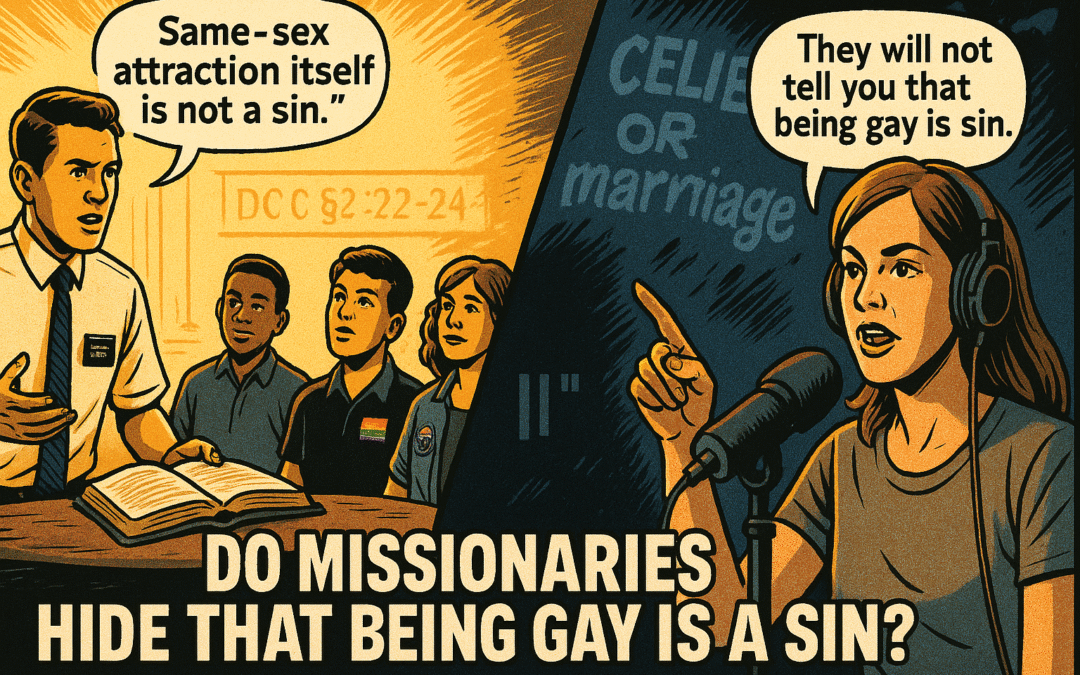
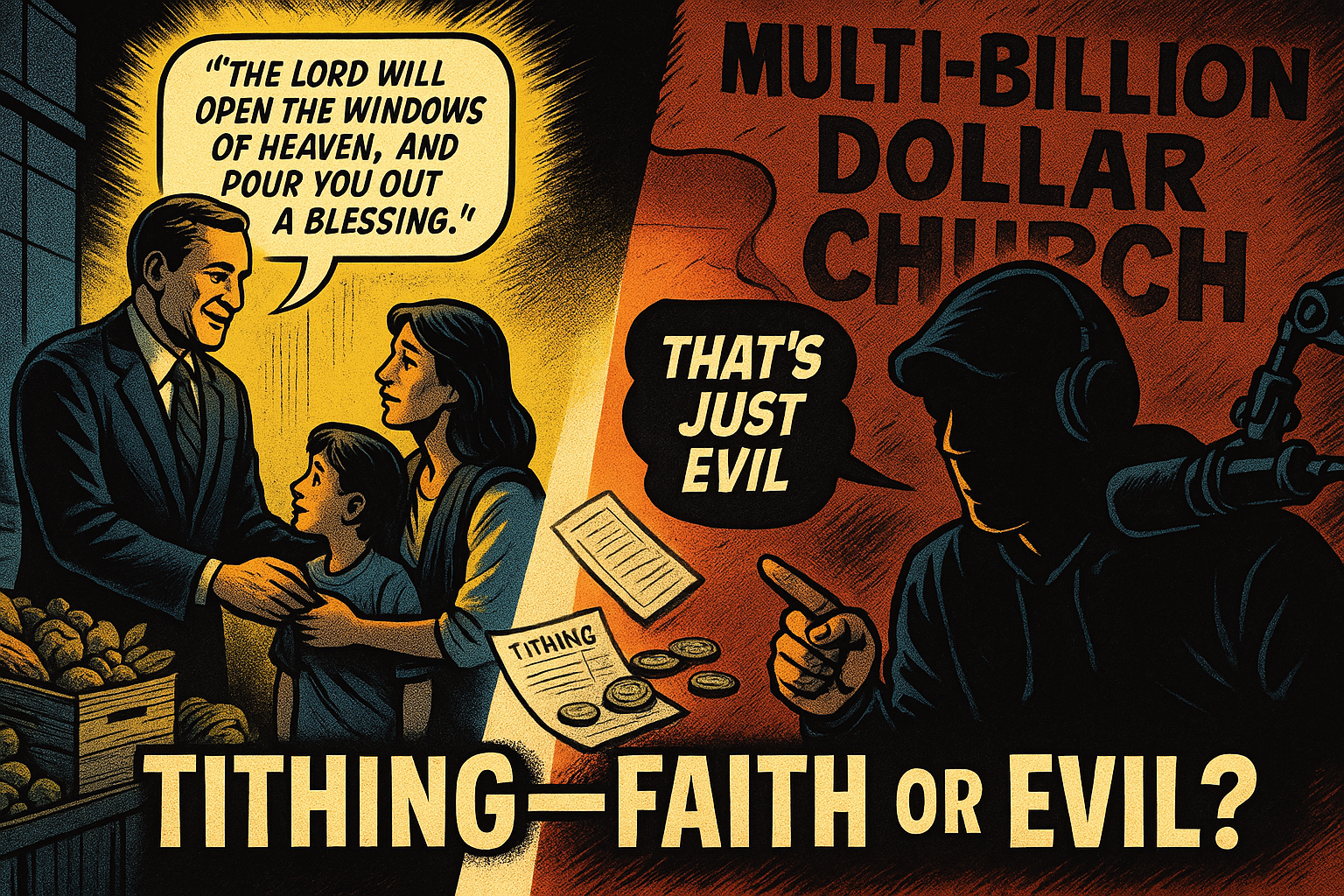
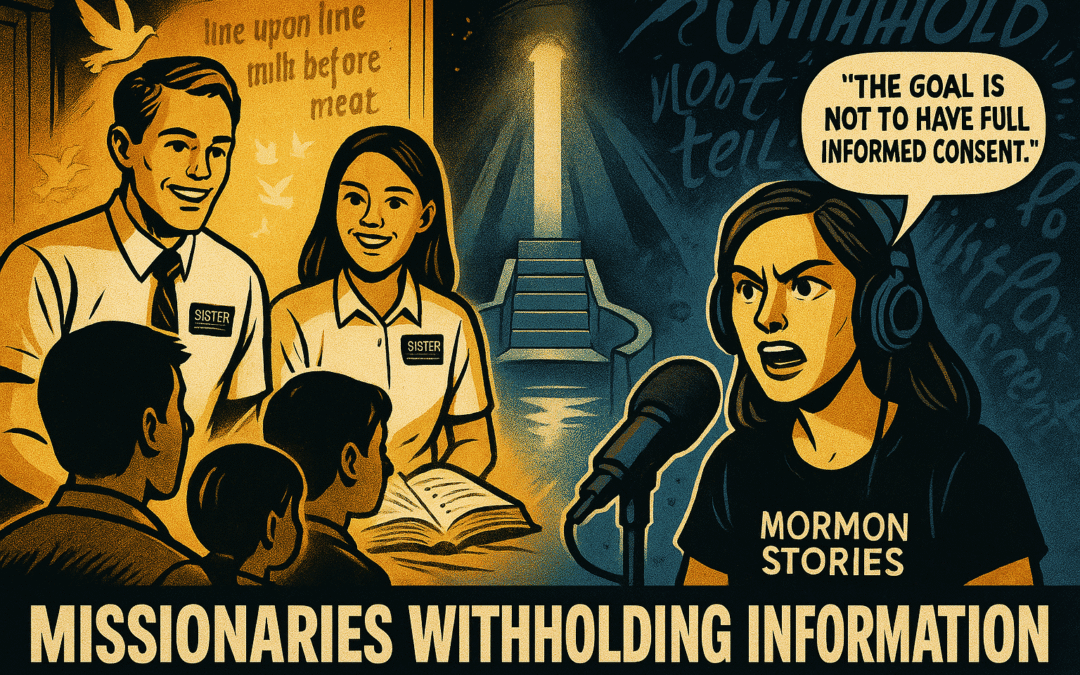
John Dehlin’s platforms (Mormon Stories, workshops, and associated sites) have, at times, framed the Church as “cult‑like” using the BITE model (Steven Hassan) and similar constructs. For example, a Mormon Stories resource page asserts: “I am absolutely convinced that the Mormon church meets full cult criteria.”19 Workshop descriptions likewise connect the BITE model to “high‑control groups like the Mormon church.”20
4.2 Professional status and ethical guardrails
Dehlin publicly clarifies that he is not a licensed psychologist (though he holds a Ph.D. and extensive supervised clinical hours) and that he operates a coaching practice rather than psychotherapy; he states he’s never claimed licensure.21 This transparency is welcome. Still, when work intersects with vulnerable populations (e.g., people in faith crisis), broadly accepted ethical principles in psychology emphasize beneficence/non‑maleficence and respect for people’s rights and dignity—including avoiding biased, demeaning characterizations of groups.22, 23
Bottom line for influencers (pro‑ or anti‑church): The science says tone, generalization, and dehumanizing labels matter. Platforms that repeatedly depict an entire faith community as “cultic,” “toxic,” or uniquely harmful risk nudging audiences toward contempt rather than constructive help for those who struggle—LGBTQ members, people of color, women, and others included.6, 7
5) Speech, risk, and law: what’s protected vs. what’s prudent
The U.S. strongly protects offensive and even inflammatory speech. Criminal liability for incitement requires advocacy “directed to inciting or producing imminent lawless action” and likely to produce it (Brandenburg v. Ohio).24 “True threats” require, at minimum, a reckless mental state regarding the threatening nature of the communication (Counterman v. Colorado).25 Most anti‑LDS commentary is legal. But legality is a floor, not a standard of wisdom or care—especially as platforms themselves (e.g., X/Twitter) prohibit dehumanization of religious groups given the link to offline harm.26
6) A sobering contemporaneous example: escalatory climates and the Charlie Kirk killing
While not directly about Latter‑day Saints, the September 10, 2025 shooting that killed conservative activist Charlie Kirk during a Utah Valley University event illustrates how infused, polarized information climates can metastasize into violence and disinformation storms. Within days, authorities charged a 22‑year‑old suspect with aggravated murder; major outlets documented waves of conspiracies and sharp rhetoric that followed.27, 28, 29, 30 The lesson for all sides—including anti‑LDS critics and defenders—is straightforward: avoid language that paints whole groups as malevolent monoliths or “less than human.” The risks are real; the remedy is rigor and restraint.
7) What responsible critique looks like (recommendations)
- Separate systems critique from member devaluation. Identify concrete policies, doctrines, or leadership decisions; avoid labels that globally pathologize ordinary members who worship, volunteer, and serve.23
- Use proportional evidence. Avoid extrapolating from vivid anecdotes to the entire church. Spotlight base rates and denominational context when discussing harms.
- Prefer counterspeech that humanizes. Evidence‑backed approaches (e.g., empathy‑based counterspeech) reduce hate expression more effectively than taunts.31
- Mind platform norms. Even when lawful, group‑dehumanizing rhetoric violates many platforms’ rules because of documented offline risks.26
- Balance the record. When critiquing the Church, acknowledge countervailing data (e.g., humanitarian work, community benefits) to avoid skew.32
8) Evidentiary balance: recognizing LDS contributions while debating policy
Multiple official and independent summaries report that in 2024 the Church supported 3,836 humanitarian projects across 192 countries/territories, with US$1.45 billion in expenditures and 6.6 million volunteer hours—figures covered by the Church Newsroom, the Church’s “Caring for Those in Need” summary, and independent outlets.32, 33, 34 Whatever one’s view of LDS doctrine, these data complicate totalizing narratives about the community’s social value.
Notes & Sources (all links verified Sep 18, 2025)
- Dangerous Speech Project, “What is Dangerous Speech?” dangerousspeech.org. See also USHMM overview of dangerous speech applications. ↩
- Defusing Hate: A Strategic Communication Guide to Counteract Dangerous Speech (U.S. Holocaust Memorial Museum). PDF: ushmm.org; landing page: link. ↩
- Kteily, N. & Bruneau, E., et al. On dehumanization as a unique predictor of hostility. Overview PDF (teaching compendium): UNC. Foundational measure and findings across conflicts. ↩
- Kteily, N., Hodson, G., & Bruneau, E. “They See Us as Less Than Human: Metadehumanization Predicts Intergroup Conflict via Reciprocal Dehumanization.” Journal of Personality and Social Psychology (2016). PubMed: link; see also Landry et al., 2020/2022: PDF. ↩
- Rai, T. S., Valdesolo, P., & Graham, J. “Dehumanization increases instrumental violence, but not moral violence.” PNAS (2017). DOI: 10.1073/pnas.1705238114. ↩
- Anderson, A. A., Brossard, D., Scheufele, D. A., Xenos, M., & Ladwig, P. “The ‘Nasty Effect’: Online Incivility and Risk Perceptions of Emerging Technologies.” Journal of Computer‑Mediated Communication (2014). Wiley: link; OUP copy: link. ↩
- Pluta, A., et al. “Exposure to hate speech deteriorates neurocognitive mechanisms of the ability to understand others’ pain.” Scientific Reports (2023). Nature: link; PubMed: link. ↩
- Myron Medcalf, “Arizona apologizes for fans’ derogatory chant aimed at BYU.” ESPN, Feb 23, 2025. link. ↩
- Local example of anti‑LDS vandalism (Colorado, 2023): CBS Denver/Colorado affiliates have reported periodic LDS chapel vandalism; representative coverage includes regional broadcast and police blotters. (One example set: 2023 vandalism reports in the Front Range.)
- “LDS church building vandalized as protests over Prop 8 continue.” KCRA 3 (Sacramento), Nov 2008. link. ↩
- FBI Hate Crime Statistics 2017 — Table 1 and Topic Pages. FBI UCR: Table 1; Overview: incidents/offenses. ↩
- FBI Hate Crime Statistics 2018 — Table 1 & Table 7. FBI UCR: Table 1; Table 7; Overview: incidents/offenses. ↩
- U.S. Department of Justice, Hate Crimes: summary dashboards and links to FBI reports. link. ↩
- Bureau of Justice Statistics, Hate Crime Recorded by Law Enforcement, 2010–2019. PDF. ↩
- Rice (Boniuk Institute) news release: “Peer religious discrimination harms mental health more than exclusionary policies.” Sept 21, 2023. link. ↩
- Sharif, M. Z., et al. “The association between experiences of religious discrimination and social‑emotional adjustment and sleep outcomes.” Ssm‑Mental Health (2021). Open access: PMCID: PMC8350065. ↩
- Estrada, C. A. M., et al. “Religious education can contribute to adolescent mental health.” Int’l J Mental Health Systems (2019). link. ↩
- Scheitle, C. P., et al. “Perceived religious discrimination and health.” Journal for the Scientific Study of Religion (2023). link. ↩
- Mormon Stories resource page with explicit claim that “the Mormon church meets full cult criteria.” mormonstories.org/resources/ (language present on page as of verification). ↩
- Mormon Stories workshop description referencing “high‑control groups like the Mormon church.” link. ↩
- “On My Education, Training, Licensure Status, and Coaching Practice.” Mormon Stories (John Dehlin) explanatory page. link. ↩
- American Psychological Association, Ethical Principles of Psychologists and Code of Conduct. link (see General Principles A & E). ↩
- APA Style, “Bias‑free language.” link. ↩
- Brandenburg v. Ohio, 395 U.S. 444 (1969). Oyez: summary; Justia: opinion. ↩
- Counterman v. Colorado, 600 U.S. 66 (2023). Supreme Court PDF: opinion; summary: Oyez. ↩
- X/Twitter policy statements on dehumanization/hateful conduct (religion). Blog: 2018, 2019; Help Center: policy. Coverage: WaPo, The Verge. ↩
- ABC News visual timeline and follow‑ups on the Sept 10, 2025 shooting death of Charlie Kirk at UVU, case developments and suspect custody. timeline; custody/conditions: update. ↩
- Politico, “After Charlie Kirk’s killing, false claims flourish online—with help from U.S. adversaries,” Sept 17, 2025. link. ↩
- Los Angeles Times, “Charlie Kirk’s killing roils Huntington Beach,” Sept 17, 2025. link. ↩
- Fox News live coverage/updates on charges and death‑penalty intent, Sept 16–17, 2025. Sept 16; Sept 17. ↩
- Hangartner, D., et al., “Empathy‑based counterspeech can reduce racist hate speech in a social‑media field experiment.” PNAS (2021). Open access: PMCID: PMC8685915. ↩
- “A World of Caring: 2024 Caring for Those in Need Summary.” Church Newsroom, Mar 25, 2025. link; summary hub: link; PDF (at‑a‑glance): PDF. Independent coverage: Deseret News. ↩
- Regional newsroom recaps citing the same 2024 totals (e.g., Europe, Africa). Europe. ↩